Understanding Power Banks: How They Work and Why You Need One
Understanding power banks is essential in our increasingly mobile world, where staying connected relies heavily on our devices' battery life. Essentially, a power bank is a portable charger that stores electrical energy and provides it to your devices when they need a boost. Most power banks use lithium-ion or lithium-polymer batteries, which are compact yet powerful, allowing you to charge your smartphone, tablet, or even laptops on-the-go. When selecting a power bank, consider its capacity, measured in milliampere-hours (mAh); a higher mAh means more energy storage and more charges for your device.
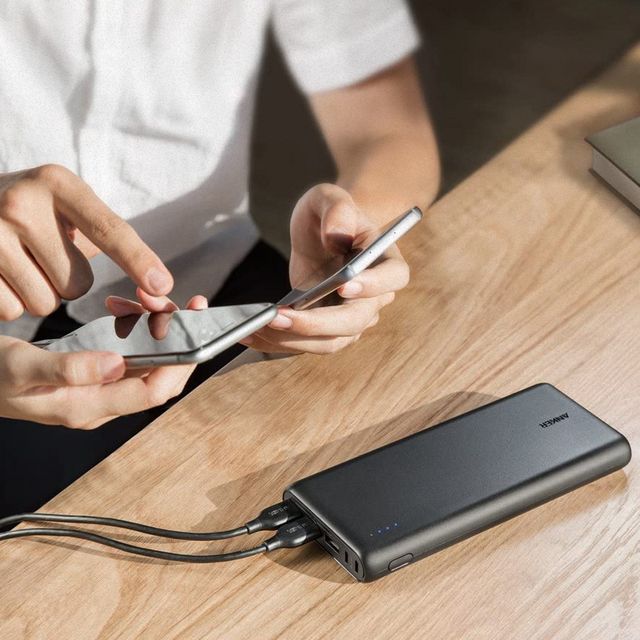
The functionality of power banks is straightforward: they store energy through a process called charging and then release it when required. To use one, simply connect it to your device using a USB cable; the power bank's internal circuitry manages the energy transfer, ensuring a safe and efficient charge. Here’s why you need one:
- Convenience: No more searching for a wall socket while on the move.
- Reliability: A power bank ensures that your devices remain operational during long trips.
- Versatility: Many models can charge multiple devices simultaneously.
Counter-Strike is a popular tactical first-person shooter game that emphasizes teamwork and strategy. Players can choose to be part of the terrorist or counter-terrorist team, each with unique objectives. The gameplay requires not just quick reflexes but also thoughtful planning, making it a favorite in competitive esports. If you're looking for the best gadgets to enhance your gaming experience, check out the Top 10 magsafe power banks to ensure your devices stay charged during intense matches.
Top 5 Features to Look for When Choosing a Power Bank
When searching for the right power bank, the first thing to consider is capacity. Measured in milliampere-hours (mAh), the capacity indicates how much charge a power bank can store. A higher mAh rating means more power available for your devices. For instance, a power bank with a capacity of 10,000 mAh can generally charge a smartphone about two to three times, while those with capacities of 20,000 mAh or more are perfect for users who frequently travel or use multiple devices. Make sure to assess your charging needs against the mAh rating to ensure you're investing in a power bank that meets your demands.
Another critical feature to evaluate is the output ports. Depending on your device preferences, you'll want a power bank with multiple output ports, allowing you to charge several devices simultaneously. Most modern power banks come with USB-A and USB-C ports, and some even include quick-charging options that can significantly reduce charging time. Look for a power bank that offers at least two output ports to maximize convenience and functionality, especially if you're often on the go or frequently share with friends and family.
What’s the Best Way to Charge Your Power Bank for Optimal Performance?
Charging your power bank correctly is essential for ensuring optimal performance and longevity. Start by reading the manufacturer's instructions, as different brands may have unique guidelines. For most power banks, it is recommended to use the charger included in the package. Using a high-quality USB cable and adapter that matches the power output specifications can also enhance charging efficiency. Avoid overcharging your power bank; unplug it once it reaches 100% or follow auto-cutoff features if available. This helps maintain battery health and ensures your power bank is ready when you need it.
Additionally, consider the temperature when charging your power bank. Keep it in a cool, dry place and avoid charging it in direct sunlight or extreme temperatures, as this may cause overheating and damage. If possible, charge your power bank at regular intervals rather than waiting until it is fully depleted. This practice, known as partial charging, can help maintain optimal battery capacity over time. By following these guidelines, you can maximize the performance and lifespan of your power bank, ensuring you stay powered up when it matters most.