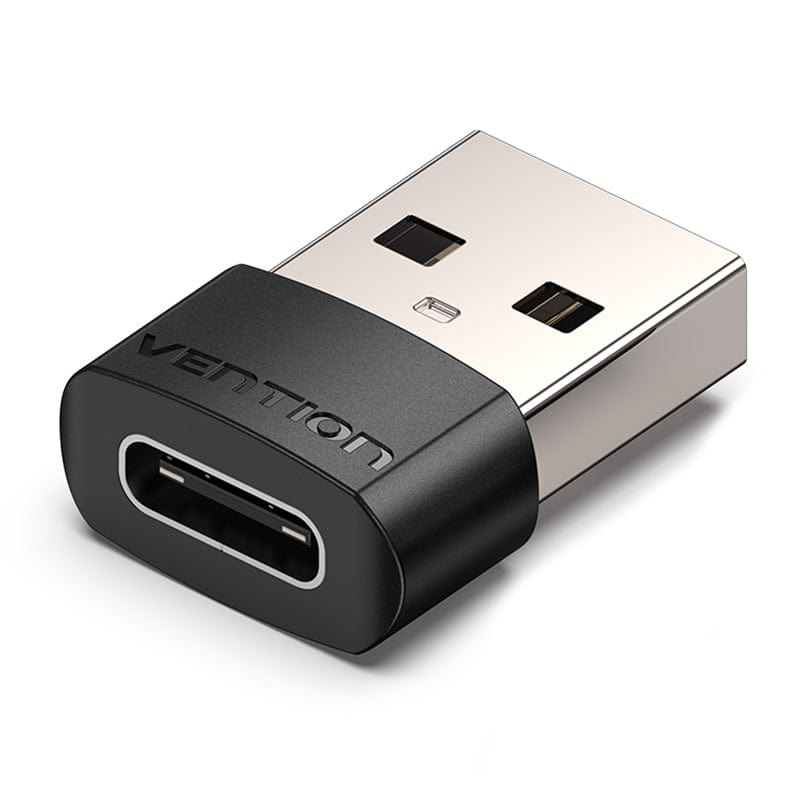
Understanding USB-C: How One Port Handles All Your Devices
The USB-C standard has revolutionized the way we connect our devices, offering a single, versatile port that simplifies our tech ecosystem. Unlike its predecessors, USB-C is capable of delivering power, data, and video through one connection, making it the ultimate solution for a myriad of devices such as smartphones, laptops, and tablets. With its compact design and reversible connector, USB-C not only enhances user convenience but also enhances the overall performance by enabling faster data transfer rates of up to 10 Gbps and supporting power delivery of up to 100 watts.
One of the standout features of USB-C is its ability to support a wide range of protocols through what's known as Alternate Mode. This means that a single USB-C port can connect to HDMI, DisplayPort, and other interfaces without needing multiple dongles or adapters. Additionally, the versatility of USB-C extends to the growing number of accessories available in the market, empowering users to set up their devices with everything from external monitors to charging hubs. As we continue to embrace a more streamlined approach to technology, understanding the benefits of USB-C is crucial for anyone looking to optimize their device compatibility and future-proof their tech investments.
Counter-Strike is a highly competitive first-person shooter game that has become a staple in the esports community. Players can choose between two teams, terrorists and counter-terrorists, and engage in various objective-based gameplay modes. To ensure your gaming setup is efficient, check out the Top 10 Fast Chargers for Android Devices to keep your devices powered up during long gaming sessions.
The Evolution of USB-C: Why It's the Future of Connectivity
The USB-C connector has revolutionized the way we connect our devices, evolving from its predecessors into a universal solution that simplifies how we charge and transfer data. Introduced in 2014, it features a compact design with a reversible plug that eliminates the frustration of trying to insert the connector the right way. The emergence of this technology has paved the way for faster data transfer speeds and higher power delivery capabilities, reaching up to 100 watts for charging various devices. As more manufacturers adopt the standard, we can expect to see it become the go-to connection for everything from smartphones and laptops to a myriad of peripherals.
As we move towards a more interconnected world, the significance of USB-C continues to expand. Its robust capabilities allow for data transfer speeds of up to 10 Gbps with USB 3.1 and even beyond with USB4, making it ideal for high-resolution video, high-speed data access, and powering devices efficiently. Moreover, as various industries and consumers push for sustainability and minimalism, the USB-C standard promotes a reduce, reuse, and recycle mentality by minimizing the number of different cables and chargers needed. This makes USB-C not only the present but a vital component of the future of connectivity, ensuring compatibility and convenience across the entire tech ecosystem.
Is USB-C Really Universal? Debunking Common Myths
The term USB-C often conjures images of a universal standard that can be used across all devices, but this isn't entirely accurate. While USB-C is designed to offer a versatile connection for power, data transfer, and video output, there are several common myths that can lead to confusion among consumers. For instance, many believe that all USB-C cables are created equal; however, cable capabilities can vary significantly. Some cables support fast charging and high-speed data transfer, while others may only handle basic charging or slow data rates. It’s essential to check the specifications before making a purchase.
Another prevalent misconception is that USB-C can deliver the same performance across all devices. This is far from the truth. The actual power delivery and data speeds depend not just on the cable, but also on the capabilities of the devices being used. For example, not all USB-C ports support Thunderbolt 3 or 4, which can affect the performance when connecting compatible devices like monitors or external drives. To fully leverage the advantages of USB-C, users must ensure that both the cable and devices meet the necessary specifications. Understanding these nuances can help avoid frustration and enable the best possible experience with this versatile connectivity standard.