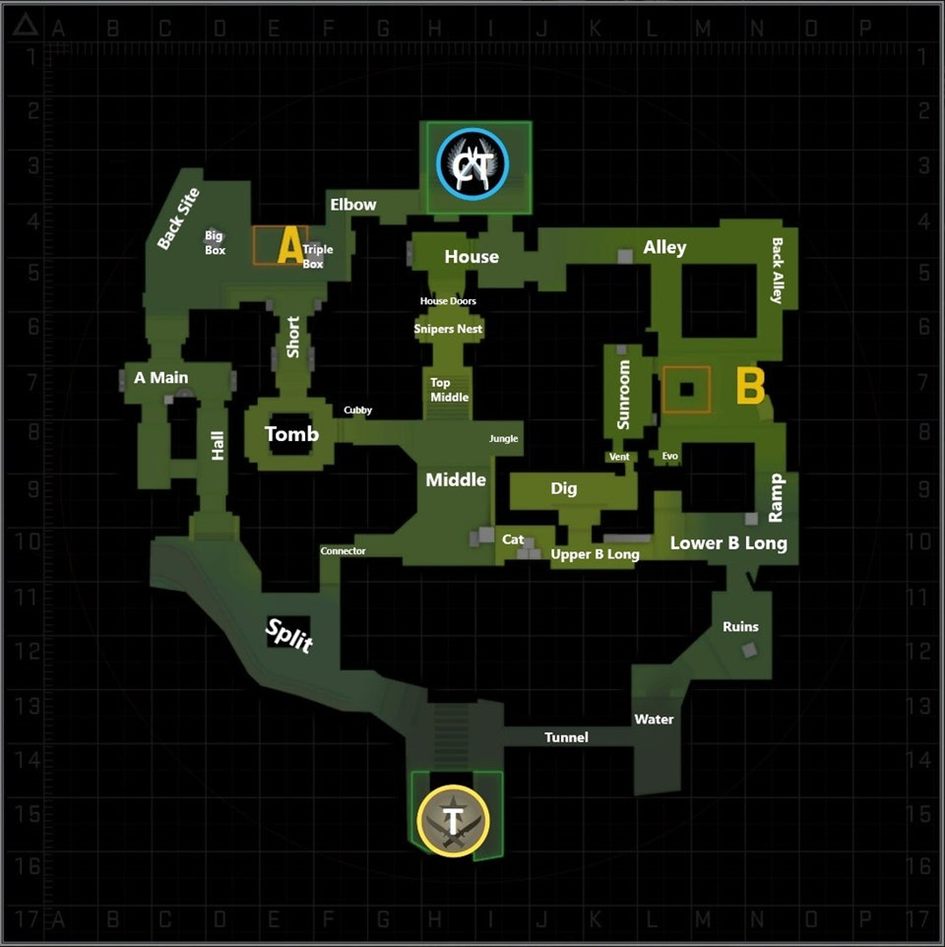
Top 5 Strategies to Master the Callout System in CS2
Mastering the Callout System in CS2 is crucial for effective communication and teamwork in the game. Here are the top 5 strategies that can help you enhance your callout skills:
- Familiarize Yourself with Maps: Before you can effectively use the callout system, it's essential to have a deep understanding of the maps. Spend time exploring each area and learn the commonly used callouts.
- Practice with Teammates: Regularly practice callouts with your team during matches. Consistent practice helps to reinforce the terminology and improves team coordination.
Additionally, consider adopting these strategies to further refine your callout skills.
- Use Clear and Concise Language: When making a callout, ensure your language is clear and to the point. Avoid jargon that may confuse teammates.
- Watch Professional Players: Observing how professional players use callouts can offer valuable insights. Take notes on how they communicate in high-pressure situations.
- Stay Updated: As the game evolves, so do maps and strategies. Keep yourself informed about any changes in the game that may affect callout practices.
Counter-Strike is a highly competitive first-person shooter game that pits two teams against each other: the Terrorists and the Counter-Terrorists. Players engage in various game modes, including bomb defusal and hostage rescue. One of the most sought-after weapons in the game is the stiletto knife, known for its sleek design and effectiveness in close combat.
How to Optimize Your Team Communication with Callouts
Effective team communication is essential for maintaining productivity and collaboration in any workspace. One valuable tool to enhance this communication is the use of callouts. Callouts help to highlight key information, directives, or updates within your team's communication channels, ensuring that everyone is on the same page. To start optimizing your team communication, consider implementing a structured approach to using callouts. Here are a few strategies:
- Use callouts for critical messages that require immediate attention.
- Incorporate visuals or icons that represent different types of information to differentiate between tasks, updates, and alerts.
- Encourage team members to utilize callouts in their messages for clarity and emphasis.
In addition to these strategies, it's crucial to create a shared understanding of how to use callouts effectively within your team. For instance, establish guidelines on when and how to use callouts, as well as what color coding or symbols will mean within your communication framework. This ensures that everyone interprets the callouts consistently. By leveraging the power of callouts, your team can improve its communication flow, leading to enhanced collaboration and reduced misunderstandings. Remember, the goal is to keep everyone informed, engaged, and aligned with the team’s objectives.
What Are Callouts and Why They Matter in Competitive CS2
Callouts in competitive Counter-Strike 2 (CS2) refer to the practice of relaying crucial information about enemy positions, strategies, or movements to teammates in real-time. Effective callouts can greatly enhance a team's coordination and response, leading to improved tactical plays. Understanding the maps and utilizing established callouts allows players to communicate efficiently without revealing their strategies to the opposing team. This is essential in a fast-paced environment like CS2, where every second counts and the tide of the game can shift rapidly based on the information shared among players.
The importance of callouts in competitive CS2 cannot be overstated. Strong communication through precise callouts can instill a sense of teamwork and cohesion among players. They help in strategizing and executing plays, enabling teams to anticipate enemy actions more effectively. Furthermore, mastering callouts allows players to adapt to various situations on the fly, increasing the chances of securing vital rounds. In summary, callouts are not just about stating geographical locations; they play a pivotal role in the overall performance and success of a team in competitive scenarios.