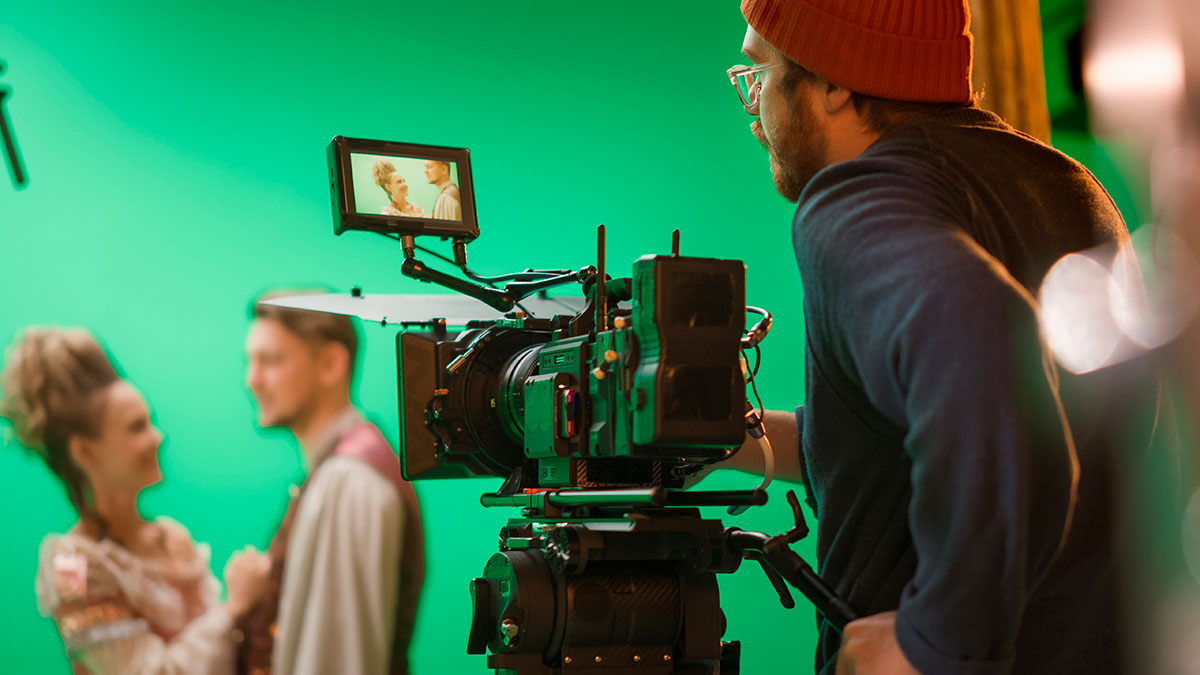
Unlocking the Hidden Features of Your Camera: What You're Missing
Many photographers focus solely on the basic functions of their cameras, often overlooking the hidden features that can dramatically enhance their photography. Understanding your camera’s settings can unlock a wealth of potential, leading to stunning images that reflect your unique vision. Start by diving into your camera's menu system; look for options such as custom shooting modes, where you can save your preferred settings for quick access during shoots. Additionally, explore the exposure compensation feature, which allows you to adjust brightness levels without changing your standard settings.
Another powerful yet often ignored feature is the grid display. Enabling it can assist with composition by following the rule of thirds, making images more balanced and appealing. Furthermore, take time to familiarize yourself with advanced shooting techniques, like long exposure or focus stacking, which can help you achieve effects that are otherwise difficult to capture. Ultimately, investing time in learning these hidden features can elevate your photography to a whole new level.
Counter-Strike is a popular first-person shooter game that pits teams of terrorists against counter-terrorists in various objective-based game modes. Players engage in intense tactical gameplay, strategizing and collaborating to either plant bombs or rescue hostages. In the world of gaming, having the right tools can enhance your experience, so check out the Top 10 mobile content creation gear to create and share your gameplay effectively.
10 Essential Tips for Filmmakers: Mastering Your Camera's Settings
Mastering your camera's settings is crucial for any filmmaker looking to elevate their craft. Here are 10 essential tips to get you started:
- Understand Exposure: Familiarize yourself with the exposure triangle: aperture, shutter speed, and ISO. Adjust these elements to achieve the desired brightness and depth of field.
- White Balance: Correctly setting your white balance ensures accurate color representation. Experiment with different settings based on lighting conditions to achieve the best results.
- Use Manual Mode: While automatic settings can be convenient, practicing in manual mode gives you full control over your camera, allowing for more creative decisions.
- Focus on Composition: Always consider the rule of thirds. Positioning subjects along these lines can create a more balanced and visually appealing shot.
In addition to technical settings, understanding your camera's features can greatly enhance your filming capabilities. Here are more tips:
- Utilize ND Filters: Neutral density filters help you manage light without affecting color. This is especially useful for achieving a shallow depth of field in bright conditions.
- Experiment with Frame Rates: Different frame rates can evoke various emotions in your audience. For example, shooting at 24 fps gives a cinematic feel while 60 fps can provide smooth motion.
- Monitor Audio Levels: An often overlooked aspect of filmmaking is audio. Always use headphones to monitor sound quality and ensure clarity in your dialogues.
- Practice Regularly: Finally, make it a habit to practice your camera settings and try out new techniques. This consistent practice will help you become more proficient and confident as a filmmaker.
Is Your Camera Letting You Down? Common Filmmaking Mistakes to Avoid
Filmmaking is an art that combines creativity and technical prowess, but even the most talented filmmakers can find themselves facing challenges. One common issue can stem from relying too heavily on your camera's capabilities instead of honing your skills. For instance, poor lighting can lead to grainy footage, while using the wrong frame rate may result in choppy or unnatural motion. To elevate your filmmaking, focus on mastering the fundamentals: consider your lighting setup, understand the impact of frame rates, and always be aware of your composition. By addressing these basic aspects, you can significantly improve the quality of your work.
Another frequent pitfall in filmmaking is the lack of pre-planning and organization. Jumping into a shoot without a clear vision or storyboard can lead to disjointed scenes and wasted time. It's crucial to develop a script and a shot list to streamline the filming process. Additionally, don't forget about the importance of audio; poor sound quality can ruin even the most beautiful visuals. Remember to invest in quality microphones and monitor your audio levels during recording. By avoiding these common mistakes, you can ensure that your camera is an asset rather than a hindrance in your filmmaking journey.