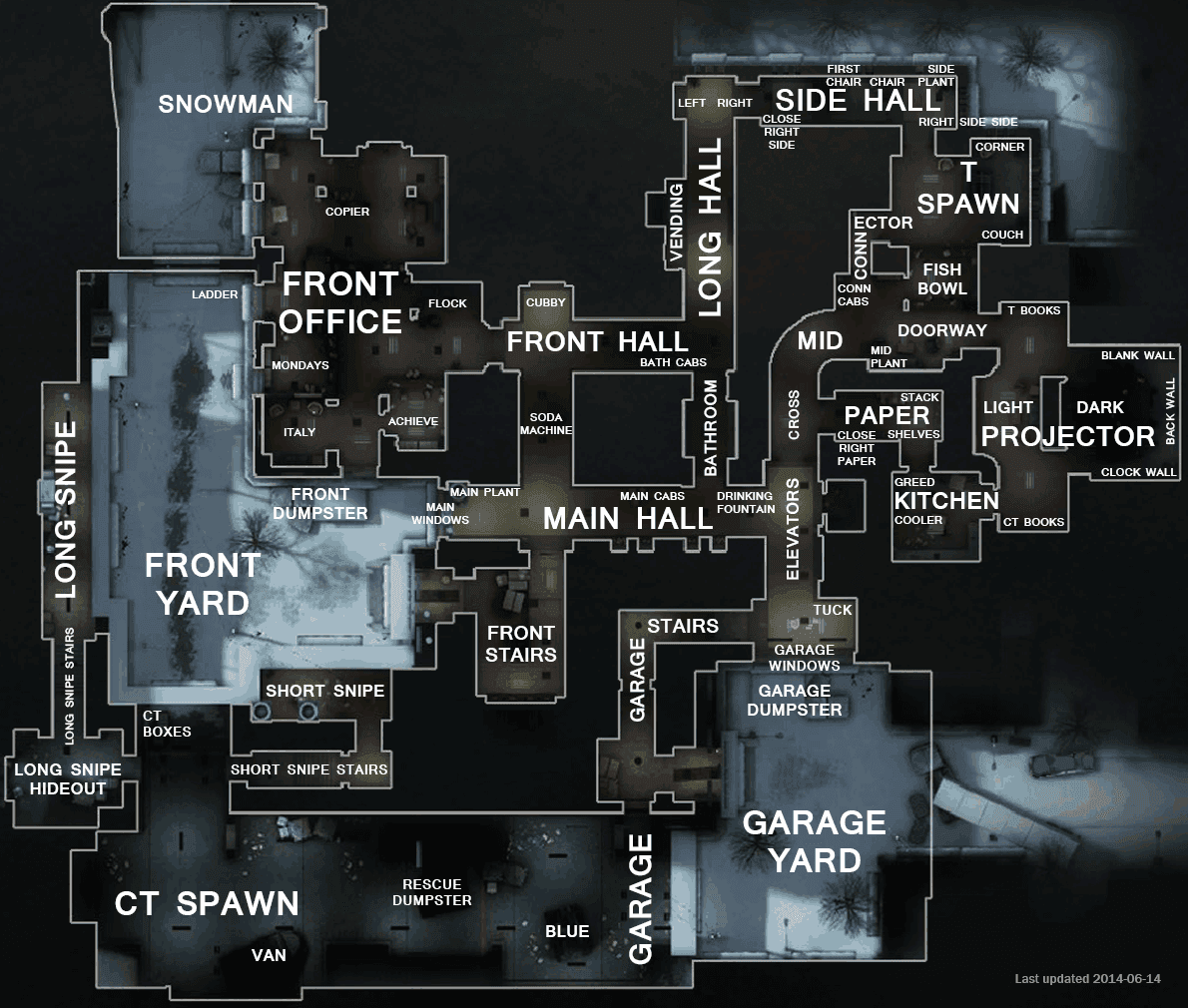
Mastering CS2 Callouts: A Comprehensive Guide for Players
In the dynamic world of CS2, effective communication is crucial for team success, and mastering callouts can significantly enhance gameplay. Callouts provide concise, clear instructions regarding enemy positions and map locations, enabling your team to react promptly during intense firefights. This comprehensive guide aims to equip players with essential callouts for every map, along with tips on how to use them effectively in real-time situations. By familiarizing yourself with callouts, you can avoid confusion and foster better teamwork.
One of the first steps in mastering CS2 callouts is understanding the map layout, which can vary wildly from one battlefield to another. For instance, on maps like Dust II, it is vital to know specific locations like Long A, Catwalk, and B Site. You can create a personalized list of callouts tailored to your team’s strategy. Consider using visuals, such as diagrams or videos, to reinforce your team's understanding and execution of these callouts. Ultimately, consistent practice and communication will lead your team to greater success and more enjoyable gameplay experiences.
Counter-Strike is a highly popular tactical first-person shooter game that emphasizes teamwork and strategy. One of the most iconic maps in the game is Dust II, where players often rely on precise dust2 callouts to communicate effectively and secure victories. This map is beloved for its balanced design and has become a staple in competitive play.
Top 10 Common Callouts Every CS2 Player Should Know
In the competitive world of Counter-Strike 2 (CS2), effective communication can make all the difference between victory and defeat. Understanding common callouts is essential for players who want to enhance their teamwork and strategy. Here are the top 10 common callouts every CS2 player should know:
- A-site - Referring to the first bomb site on most maps, it's crucial for players to communicate when they are attacking or defending it.
- B-site - Just like A-site, knowing how to quickly refer to the second bomb site ensures that players can coordinate effectively.
- Mid - This callout indicates the middle area of the map, essential for strategizing movements and holding positions.
- CT Spawn - Calling out to indicate where the Counter-Terrorists start is vital for coordinating ambushes and defense setups.
- T Spawn - Refers to where the Terrorists begin; awareness of this callout can help in anticipating enemy movements.
- Long - A popular route on many maps, knowing when to call 'Long' can signify deeper pushes or flanking maneuvers.
- Short - The counterpart to Long, it's important for informing teammates of enemy activity or positioning in that area.
- Heaven - Often used to indicate elevated positioning, such as a vantage point for snipers.
- Stairs - A strategic spot that players often use for cover and attack; communication about its occupancy is key.
- Flank - Always be aware of potential flanking enemies; calling out 'Flank' could save your team from an unexpected attack.
How to Create Your Own Effective Callouts in CS2
When creating your own effective callouts in CS2, it’s essential to start by defining your goals. Determine what information you want to highlight and why it is important for your audience. Use the callout to draw attention to key points, such as strategies, tips, or essential updates. Consider employing visual elements like icons or bold colors that align with your brand's aesthetic to make the callout stand out from the surrounding content.
Next, structure your content within the callout for maximum engagement. Use bullet points for clarity and ease of reading, ensuring that each point conveys valuable insights. For example, you might format your callout content as follows:
- Highlight a significant update.
- Offer actionable tips.
- Encourage user interaction or feedback.
Finally, don't forget to test different styles and placements of your callouts to see what resonates best with your audience.