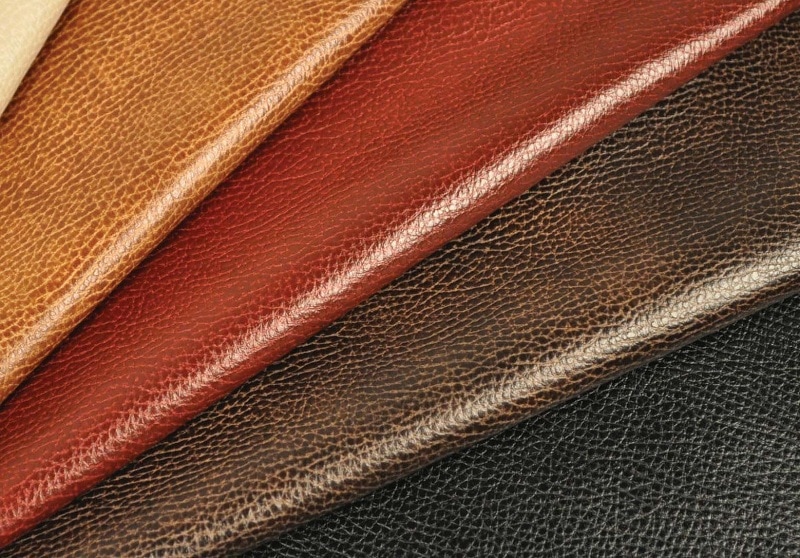
The Eco-Friendly Benefits of Choosing Leather: More Than Meets the Eye
When it comes to sustainable fashion, choosing leather can often be misunderstood. Many people associate leather with issues like animal cruelty and environmental harm, but the truth is that responsibly sourced leather can actually be a more sustainable option compared to synthetic alternatives. Unlike plastics, which are derived from fossil fuels and can take hundreds of years to decompose, natural leather is biodegradable and can last for decades with proper care. This longevity means that leather products often do not require frequent replacement, reducing waste and the carbon footprint associated with mass-produced textiles.
Furthermore, the production of eco-friendly leather has evolved significantly. With innovations in sustainable practices, many leather producers now utilize eco-conscious tanning methods and source their materials from farms that prioritize animal welfare and environmental stewardship. Some brands are even embracing circular fashion principles, wherein leather goods can be repaired, reused, or recycled at the end of their life cycle. By choosing leather from brands committed to sustainable practices, consumers can support ethical production, enriching the ecosystem rather than harming it.
Counter-Strike is a highly popular first-person shooter game that has captivated players around the world. Known for its competitive gameplay and team-based strategies, it offers a unique blend of tactical combat and objective-based missions. For those looking to protect their devices in style, check out the Top 10 iphone leather cases to keep your phone secure while you dive into the action.
How Your Leather Bag Contributes to Sustainable Fashion
In recent years, the shift towards sustainable fashion has gained significant momentum, pushing consumers to reconsider their purchasing habits. One of the most impactful choices you can make is investing in a high-quality leather bag. Unlike fast fashion items that quickly deteriorate and end up in landfills, a well-crafted leather bag is designed to last for years, if not decades. This longevity not only reduces waste but also minimizes the environmental impact associated with frequent replacements. Furthermore, many brands today are committed to ethical sourcing of materials, ensuring that the leather used comes from responsibly managed farms.
Additionally, the production of leather bags can support sustainable practices in various ways. For instance, many artisans incorporate traditional techniques that require less energy and fewer harmful chemicals, contributing to a greener production process. Plus, investing in a leather bag often means supporting local craftsmanship, which bolsters economies and promotes the preservation of cultural heritage. When you choose a leather bag, you are not only making a fashion statement but also endorsing a more sustainable future for our planet.
Is Leather Truly Sustainable? Debunking Myths About Leather Products
When discussing sustainability in fashion, leather often faces criticism for its environmental impact. However, many misconceptions cloud the truth about leather products. Firstly, it's essential to understand that leather is a natural byproduct of the meat industry. This means that it makes use of the entire animal, thereby minimizing waste. Indeed, when compared to synthetic alternatives, which are derived from fossil fuels and may take centuries to decompose, leather can have a lower carbon footprint. Furthermore, properly tanned and maintained leather products can last for decades, making them a durable choice that reduces the need for frequent replacements.
Another common myth is that leather production is inherently damaging to the environment. While traditional tanning methods have been associated with pollution, modern techniques have evolved significantly. Many manufacturers now utilize eco-friendly practices, incorporating vegetable tanning and adhering to stringent regulations to minimize their impact. Additionally, leather can be recycled and repurposed, further promoting a sustainable lifecycle. Ultimately, when considering leather's sustainability, it is essential to look beyond the surface and understand the full context—factoring in production methods, longevity, and the ecological consequences of alternatives.