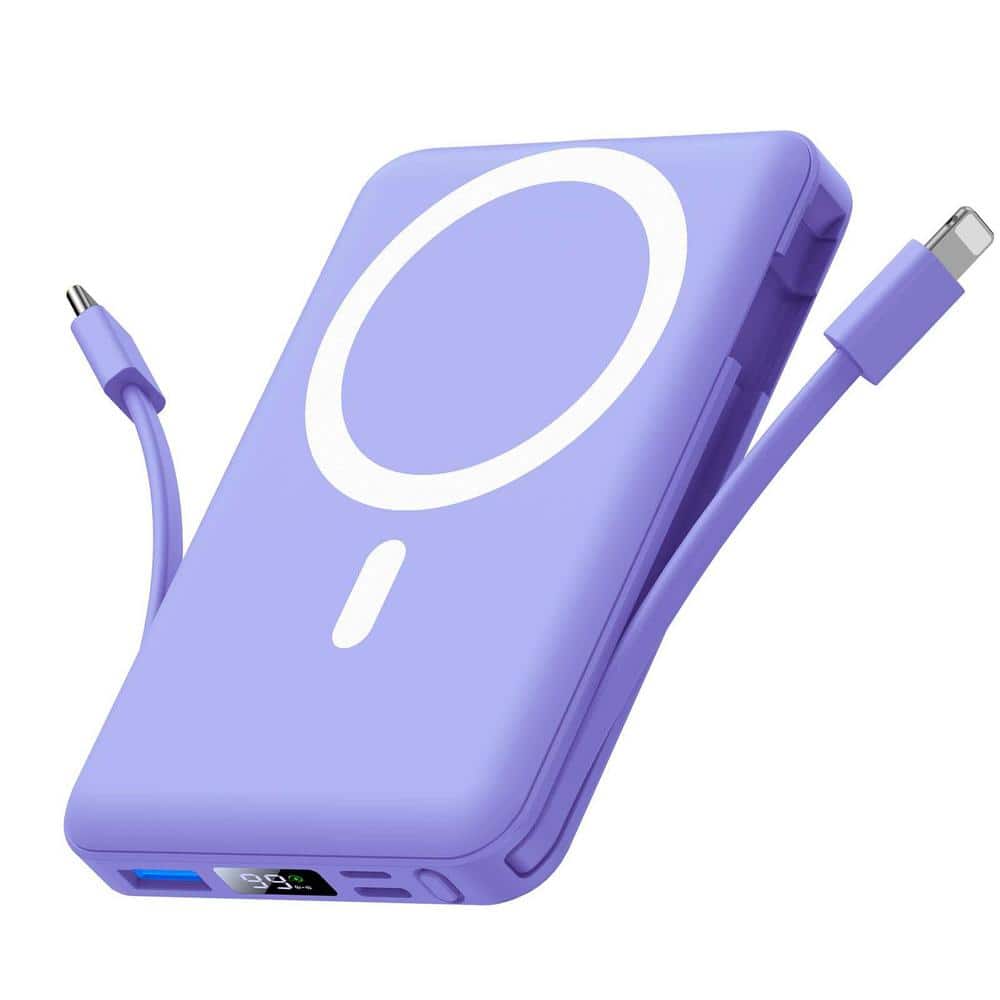
The Journey of a Power Bank: How Portable Chargers Evolved
The evolution of portable chargers can be traced back to the early 2000s when mobile devices became a staple in everyday life. Initially, power banks were bulky and inefficient, often struggling to provide a sufficient charge to modern smartphones. As technology advanced, manufacturers began to focus on enhancing the power bank design, striving for more compact, lightweight accessories that didn’t compromise on battery capacity. By integrating lithium-ion technology, the first wave of slim, high-capacity models emerged, providing consumers with the convenience of staying connected on the go.
As the demand for portable chargers surged, innovations in charging technology began to shape the market. Fast charging capabilities and the introduction of features like solar panel integration and multiple output ports transformed the functionality of power banks. Brands started to prioritize user experience, incorporating smart technology into their designs to ensure efficient power distribution and compatibility with a wider range of devices. Today, the journey of power banks is a testament to the relentless pursuit of innovation, making them an essential accessory for anyone reliant on electronic devices.
Counter-Strike is a highly popular first-person shooter game that pits teams of terrorists against counter-terrorists in a variety of objectives. Players can choose from various weapons and strategies to complete missions, making teamwork essential for success. For those looking to enhance their gaming experience, exploring Top 10 Tech Gifts for Travelers might reveal some interesting gadgets that can improve your setup.
How to Choose the Right Portable Charger for Your Devices
Choosing the right portable charger for your devices requires understanding your specific power needs. Start by considering the capacity of the charger, typically measured in milliamp hours (mAh). To put it simply, a higher mAh means more power, allowing for multiple charges of your device. For instance, if you have a smartphone with a 3000mAh battery, a portable charger with at least 6000mAh would provide two full charges. Additionally, take into account the number of devices you plan to charge simultaneously. Some chargers come equipped with multiple USB ports, making them ideal for travelers or families.
Once you've assessed your power needs, consider other crucial features such as charging speed and portability. Look for chargers that support fast charging technology, like Qualcomm Quick Charge or USB Power Delivery, which can significantly reduce charging time for compatible devices. Furthermore, evaluate the size and weight of the portable charger. If you're frequently on the go, a lightweight and compact model would be preferable. To sum up, selecting the ideal portable charger boils down to balancing capacity, charging speed, and portability to suit your lifestyle.
What Happens Inside a Portable Charger? Uncovering the Technology
A portable charger, often referred to as a power bank, is a compact device designed to store and distribute electrical energy for charging devices on the go. At the core of a portable charger lies lithium-ion batteries, which are favored for their high energy density and long cycle life. These batteries operate by storing energy through a chemical reaction and converting it back into electrical energy when needed. When you connect your device to the portable charger, an internal circuit board regulates the power flow, ensuring that your device receives a consistent voltage while protecting against overloads and short circuits.
The charger itself is equipped with various components that work together to deliver efficient charging. Most models feature multiple output ports, allowing you to charge multiple devices simultaneously. Some advanced portable chargers even incorporate smart technology, which identifies the device being charged and adjusts the output accordingly. Additionally, many of these chargers have LED indicators to display the remaining battery life, giving users a clear idea of how much power they have left. By understanding what happens inside a portable charger, users can make informed choices about which device best suits their charging needs.