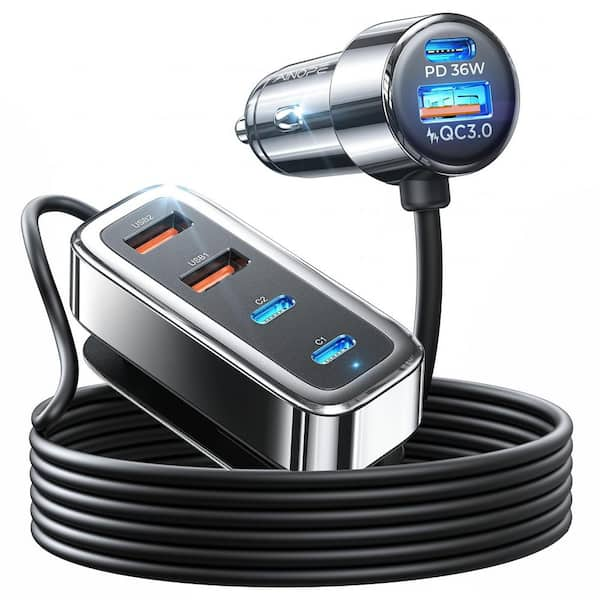
Understanding Different Types of Car Chargers: Which One Is Right for You?
When it comes to charging your electric vehicle (EV), understanding the different types of car chargers is essential. There are three primary types: Level 1, Level 2, and DC Fast Charging.
Level 1 chargers use a standard 120-volt outlet and are typically the slowest option, taking anywhere from 8 to 20 hours to fully charge an electric vehicle, ideal for home use where the car can be charged overnight. Level 2 chargers, on the other hand, utilize a 240-volt outlet and can significantly reduce charging time to around 4 to 8 hours, making them a popular choice for home and public charging stations. Finally, DC Fast Charging stations can deliver an 80% charge in 30 minutes or less, making them perfect for long road trips.
Choosing the right charger for your needs depends on various factors, including your driving habits and availability of charging options. Here’s what to consider:
- Daily Commute: If you drive short distances and have a garage or parking space, a Level 1 charger may suffice.
- Frequent Long Trips: If you often travel longer distances, investing in a Level 2 charger at home or relying on DC Fast Charging stations on the road will help keep your EV charged efficiently.
- Public Charging Infrastructure: Check the availability of charging stations in your area to determine if a Level 2 or DC Fast Charging option is more convenient.
Ultimately, understanding the different types of car chargers will help you make an informed decision that aligns with your lifestyle and driving needs.
Counter-Strike is a highly popular tactical first-person shooter game that has been a staple in competitive gaming since its release. Players can choose to play as either terrorists or counter-terrorists in various game modes. For those looking to enhance their gaming experience, finding the right accessories is crucial, including the Top 10 iPhone car chargers for quick mobile device charging on the go.
The Science Behind Quick Charging: How Car Chargers Work
The rapid evolution of electric vehicles (EVs) has necessitated advances in charging technology, culminating in what we now refer to as quick charging. Unlike traditional chargers that can take several hours to replenish a car's battery, quick chargers use higher voltage and current levels to facilitate a much faster charging process. Typically, these chargers operate on direct current (DC) rather than alternating current (AC), allowing them to deliver power directly to the battery, bypassing the vehicle's onboard charger. Interestingly, this process is complemented by an array of sophisticated communication protocols that ensure the battery receives optimal charging rates without overheating or damaging the cells.
At the heart of quick charging technology is a system of thermal management and battery management systems (BMS) that prevent the most common failures associated with rapid charging. As the battery reaches higher states of charge, the BMS carefully modulates the charging rate to protect the battery’s longevity and efficiency. Furthermore, different standards exist in the quick charging arena, such as CHAdeMO and CCS, each offering distinct benefits in terms of compatibility and speed. As the demand for faster and more efficient EV charging solutions continues to grow, understanding the science behind quick charging can help users make more informed decisions when choosing charging options.
Top 5 Tips to Extend the Life of Your Car Charger
Keeping your car charger in good condition is essential for ensuring it lasts as long as possible. Here are Top 5 Tips to Extend the Life of Your Car Charger:
- Avoid Overheating: Excessive heat can damage charger components. Make sure to keep your charger in a cool, ventilated area while in use.
- Use Quality Chargers: Investing in high-quality chargers from reliable brands can help prevent issues that might arise from cheaper alternatives.
- Be Gentle with Connections: Pulling on the cord too hard can cause wear and tear. Always unplug the charger by grasping the plug, not the cable.
- Keep It Clean: Dust and debris can accumulate in the charger’s ports, leading to poor connections. Regularly clean both the charger and the device's charging port.
- Limit Usage: Consider reducing the frequency of your charger’s use whenever possible to minimize wear, especially for older chargers.